If you’ve been asking “is Hellsing manga finished,” the answer is simple: Hellsing is completely finished. The series wrapped up in 2009 with a definitive ending. No cliffhangers, no cancellation, no limbo — just a full story from start to finish.
For anyone new to the format, manga are Japanese comic books, typically read right-to-left, and published as individual chapters before being collected into book-sized volumes. Hellsing is a great pick if you want a horror manga you can read straight through without waiting for new chapters. But there’s more to know about how it ends, what formats are available, and whether it holds up years after its conclusion. Let’s get into it.
Is Hellsing Manga Finished? Yes — The Series Ended in 2009
Hellsing is a completed manga series created by Kohta Hirano (平野耕太). It was serialized — meaning published chapter by chapter in installments — from April 1997 to September 2008 in the Japanese anthology magazine Young King OURs, published by Shonen Gahosha. Over that roughly eleven-year run, Hirano produced 92 chapters collected into 10 volumes (collected books, each containing multiple chapters of the story), with the compiled volumes released between November 1998 and April 2009.
The English-language edition was published by Dark Horse Comics, also across 10 volumes matching the Japanese release.
The story reached its intended conclusion. This wasn’t a series that got cancelled by its publisher or abandoned partway through — Hirano told the story he wanted to tell and brought it to a deliberate ending. The relatively slow publication pace (10 volumes across more than 10 years) actually reflects that deliberate approach. Hirano took his time with chapters, and the ending benefits from that patience.
After completing Hellsing, Hirano moved on to other projects — most notably Drifters, a separate action-fantasy manga with no connection to the Hellsing storyline. No sequel or direct continuation of the main Hellsing storyline has been published, though a short prequel series called Hellsing: The Dawn ran for six chapters in Young King OURs special editions and remains incomplete. The story of Alucard, Integra, and the Hellsing Organization is contained entirely within those 10 volumes. What you see is what you get — and that’s a good thing.
So if you’re deciding whether to start this series, you can go in knowing you’ll get a complete experience with a real ending.
How Does Hellsing End — And Was It Satisfying?
Without getting into spoilers just yet, here’s what you should know: Hellsing’s ending is planned and conclusive. The final storyline builds to an epic-scale climax that resolves the series’ central conflicts and gives its main characters definitive conclusions. This is the kind of ending where you close the last volume and feel like you actually got a full story.
Reader reception over the years has been strongly positive. Among horror and action manga fans, Hellsing’s ending is widely considered one of the more satisfying conclusions in the genre. The final battle delivers on the over-the-top action the series is known for, and the epilogue provides genuine emotional closure.
One thing that actually works in the ending’s favor is the series’ long production timeline. Because Hirano spent over a decade on just 10 volumes, the later chapters feel carefully constructed rather than rushed. You can tell the author had time to think about how he wanted everything to land. Compared to manga that sprint through hundreds of chapters and stumble at the finish line, Hellsing’s compact structure means the ending feels earned and proportional to what came before.
If you’re someone who’s been burned by manga with disappointing endings before, Hellsing is a safe bet. The conclusion matches the tone and ambition of the rest of the series.
Ending Spoilers (Major Plot Points)
⚠️ SPOILERS AHEAD — if you haven’t read Hellsing yet, scroll down past the “END OF SPOILERS” marker to continue reading spoiler-free. ⚠️
The final storyline centers on the massive battle for London, with Alucard, Integra, and Seras Victoria facing off against the remnants of Millennium — a secret organization of Nazi remnants who serve as the series’ primary antagonists — and the forces they have unleashed upon the city. The conflict builds to a confrontation between Alucard and the Major, Millennium’s enigmatic leader, that has been brewing since the beginning of the series.
Alucard’s story reaches its resolution in a way that ties directly into the nature of his power and the millions of souls he has absorbed. After seemingly being undone by a paradox created by the character Schrödinger — whose ability to exist everywhere and nowhere at once contradicts Alucard’s soul-absorbing power — Alucard vanishes. He spends decades eliminating the souls within himself one by one until only he remains. The final chapter features a significant time skip, showing an aged Integra and a mature Seras carrying on the Hellsing Organization’s mission. Alucard eventually returns, having overcome the paradox, and the series ends with the sense that the bond between these characters endures.
It’s a conclusion that rewards readers who paid attention to the series’ mythology and the relationship between Alucard and Integra. The time skip gives the ending weight — you feel the passage of years and the cost of everything that happened.
⚠️ END OF SPOILERS ⚠️
Series at a Glance — Volumes, Publisher, and Formats
Here’s a quick reference for what you’re looking at if you want to collect or read Hellsing:
| Detail | Info |
|---|---|
| Creator | Kohta Hirano (平野耕太) |
| Volumes | 10 (both Japanese and English editions) |
| Chapters | 92 |
| Original Magazine | Young King OURs (serialized in installments) |
| Serialized (magazine) | April 1997 – September 2008 |
| Volumes released | November 1998 – April 2009 |
| Japanese Publisher | Shonen Gahosha |
| English Publisher | Dark Horse Comics |
| Status | Complete |
At 10 volumes, Hellsing is a very manageable read. You can get through the entire series in a weekend if you’re motivated, or spread it across a week or two of casual reading. For a horror manga with this much reputation, the short length is actually one of its biggest advantages — you don’t need to commit to 30+ volumes to get the full story.
The series was also adapted into anime twice: a TV series that aired in 2001 (which diverges significantly from the manga’s story) and the Hellsing Ultimate OVA series — OVA stands for “original video animation,” meaning episodes released directly to home video rather than broadcast on TV. The Ultimate OVA consists of 10 episodes produced between 2006 and 2012, and is a much more faithful adaptation of the manga. If you finish the manga and want more Hellsing in your life, the Ultimate OVA is the version fans generally recommend.
Where to Buy the Complete Hellsing Manga
All 10 English-language volumes of Hellsing, published by Dark Horse Comics, are available and in print in both physical and digital formats. Since the series is complete, you can pick up everything at once or volume by volume — whatever fits your budget and reading pace.
There are two main format options for collecting the series in physical form:
Individual paperback volumes (10 volumes): The standard single-volume format is widely available at manga-focused retailers, general bookstores, and online shops. These are easy to track down since Hellsing is a well-known title with steady demand.
Hellsing Deluxe Edition (3 hardcover volumes): Dark Horse released a Deluxe Edition in three oversized hardcover volumes between 2020 and 2021, collecting the entire series. This is a premium option for readers who want a higher-quality presentation — larger pages that let Hirano’s detailed artwork breathe, collected in a format built to last on your shelf.
Whether you go with the individual volumes or the Deluxe Edition, you’re getting one of horror manga’s most complete and satisfying series from start to finish. The card below shows Vol. 10, the final paperback volume — from its product page you can reach Volume 1 and the rest of the run:
Hellsing
Digital readers can also find the series available as ebooks through major digital manga platforms, which is a convenient option if you prefer reading on a tablet or e-reader.
A few buying tips:
- Start with Volume 1 if you’re unsure. The first volume establishes the tone and style immediately — you’ll know within a few chapters whether this is your kind of manga.
- Consider the Deluxe Edition if you want a premium reading experience. The three hardcover volumes collect the entire series in a larger, higher-quality format.
- Check your local library. Hellsing’s popularity means many library systems carry it, which is a great way to read through the whole series for free before deciding whether to buy your own copies.
- Look for used copies in good condition. Since the series has been in print for years, the secondhand market often has volumes available at reasonable prices.
Because the series has been complete for well over a decade, there’s no rush to grab volumes before they go out of print. The title has remained consistently available, which speaks to its enduring popularity.
Is Hellsing Still Worth Reading Today?
Absolutely — and here’s why.
It’s complete. This is the single biggest selling point for anyone tired of starting manga that are years from finishing (or might never finish). Hellsing has a beginning, a middle, and an end. You will get a full story. In a landscape of ongoing manga that stretch into hundreds of chapters, there’s something genuinely refreshing about a series you can hold in its entirety on one shelf.
The action is wild. Hellsing is known for over-the-top vampire combat, military horror, and set pieces that escalate constantly. If you like your action manga big and loud and unapologetic, this delivers. The battles get increasingly absurd in scale, and Hirano clearly had a blast drawing them.
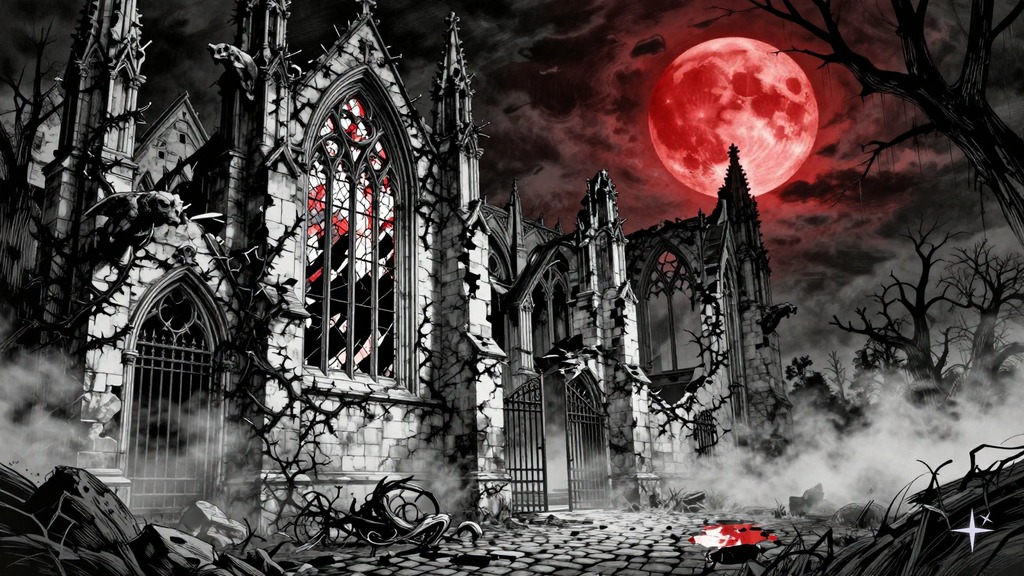
The gothic aesthetic is great. Hellsing’s visual identity — dark, ornate, old-world visuals drawn from Victorian-era vampire mythology, colliding with World War II history and modern military action — gives it a look and feel that’s distinct from most other horror manga. The character designs are iconic (Alucard’s look alone has been recreated by fans in costume and referenced endlessly since the series debuted).
The art improves dramatically. One thing that catches new readers off guard is how much Hirano’s art evolves across the 10 volumes. The early chapters have a rougher, sketchier style that some readers find off-putting at first. By the later volumes, the artwork is significantly more refined and detailed. If the art in Volume 1 doesn’t grab you, know that it gets much better — the later battle sequences are genuinely impressive.
The dark humor works. Hellsing doesn’t take itself completely seriously, and that’s part of the appeal. There’s a streak of absurd, dark comedy running through the series that keeps it from becoming relentlessly grim. Alucard in particular has a personality that balances menace with gleeful irreverence.
Content warning: Hellsing features extreme violence and mature themes throughout the entire series. This is a manga with graphic combat, wartime atrocities, and dark subject matter treated with varying degrees of seriousness. It’s not a series for younger readers or anyone sensitive to depictions of violence. The content is comparable to a hard R-rated film — intense, bloody action and disturbing imagery throughout. If you’re comfortable with that level of horror action, you’ll be fine — but go in with your eyes open.
For readers specifically looking for a starting point in horror manga — the broader category of Japanese comics focused on fear, dread, and the macabre — Hellsing is a strong first pick. The complete, self-contained nature of the series means you’re not making an open-ended commitment. You can read all 10 volumes, decide whether horror manga is for you, and move on to other series from there with a solid reference point for the genre.
It’s one of those manga that earned its reputation honestly. Years after its conclusion, Hellsing still holds up — and having the complete series available from day one makes it an even better read now than it was during its original serialization, when fans had to wait months between chapters. You get to experience the whole thing at your own pace, and that’s the best way to enjoy it.