Looking up how many volumes the Cage of Eden manga has? Good news — the series is completely finished, and the answer is simple. Here’s how to collect and read this survival horror manga from start to finish.
Cage of Eden Manga: All 21 Volumes, Fully Complete
Cage of Eden (エデンの檻) is a completed manga series with 21 volumes and 185 chapters total. Written by Yoshinobu Yamada (山田恵庸), it was serialized — meaning its chapters were published weekly in a magazine before being collected into volumes — in Weekly Shonen Magazine from 2008 to 2013. All 21 volumes have been published in English by Kodansha Comics (one of the largest manga publishers in the world), so there’s no waiting around for future releases — the whole story is available right now.
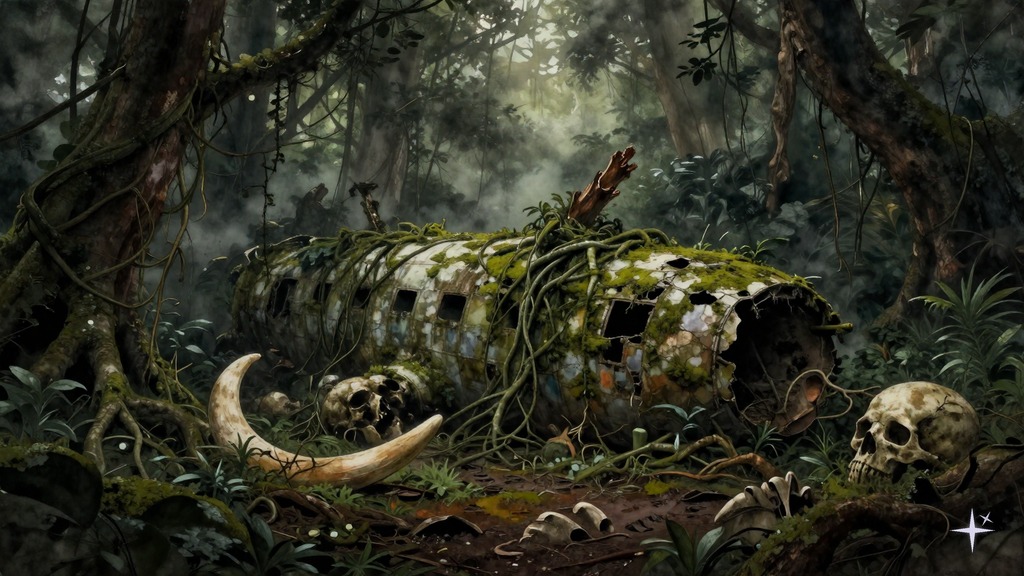
If you’re unfamiliar with the premise: a plane full of high school students crash-lands on a mysterious island populated by extinct prehistoric animals. What follows is a brutal survival scenario with a high body count, factional conflicts among the survivors, and a deepening mystery about the island itself. It blends survival horror with a mystery-driven plot — the kind of story where the setting itself is a puzzle, and every chapter raises new questions about what’s really going on. If you’ve seen the TV show Lost or the movie Jurassic Park, this sits at the intersection of both, but with the stakes and violence you’d expect from a manga aimed at older shonen (action/adventure manga marketed to teen boys and up) readers.
A note on mature content: The series doesn’t shy away from dark material. Characters die frequently and sometimes graphically, and the manga includes sexual content and fanservice — scenes with sexualized imagery included for audience appeal that can feel out of place in a survival story. If you’re picking this up for a younger reader or you’re sensitive to tonal shifts between horror and that kind of content, this is worth knowing upfront.
What Each Volume Covers — Arc Breakdown
All 21 English volumes of Cage of Eden are standard single-volume releases from Kodansha Comics. There are no omnibus editions (multiple volumes bound into one larger book), deluxe editions, or collector’s hardcovers available in English. It’s one format, 21 books, simple as that.
This actually makes collecting straightforward — you don’t need to figure out which edition to buy or worry about overlapping content between formats. Each volume picks up right where the last one left off.
Here’s a rough breakdown of the story’s major sections (often called “arcs” — defined stretches of the story that focus on a particular conflict or set of events) to help you orient yourself across the series:
Volumes 1–3: Crash Landing and First Encounters
The story kicks off with the plane crash and the students’ terrifying first encounters with the island’s prehistoric wildlife. These early volumes establish the core cast, the survival dynamics, and the central question: where are they, and why are extinct creatures here? The pacing is fast and the tension is immediate — Yamada wastes very little time getting to the danger.
Volumes 4–7: Expanding the Island
The survivors begin exploring more of the island and encounter other groups of passengers who survived the crash separately. Alliances form, conflicts emerge between factions, and the creature threats escalate. The mystery elements start to layer in more heavily as the characters discover things on the island that shouldn’t exist.
Volumes 8–10: Deeper Mysteries and Group Fractures
This is where the series really leans into its mystery-driven structure. The island’s secrets start to crack open, and the human conflicts become just as dangerous as the animal threats. Group dynamics fracture under pressure, and some of the most memorable survival sequences happen in this stretch. If the early volumes hooked you, this is where the series hits its stride.
Volumes 11–18: Escalation and Revelations
The middle-to-late portion of the series ramps up both the danger and the answers. New threats emerge, the body count climbs, and the story begins pulling together its various mystery threads. The pacing stays brisk throughout — Yamada keeps introducing surprises that prevent the survival formula from getting stale.
Volumes 19–21: The Finale
The final three volumes deliver the series’ big revelations about the island and wrap up the main storyline. Fair warning: the ending is widely considered divisive among readers. Many fans feel it was rushed and didn’t fully deliver on the mysteries the series had been building. This is worth knowing upfront — it’s one of the most common criticisms you’ll see in reviews. More on that in the verdict section below.
Reading Order and Where to Start
This is one of the easiest manga series to figure out reading-order-wise. Cage of Eden is a single, self-contained series with no spin-offs, prequels, sequels, or alternate versions. You start at Volume 1 and read straight through to Volume 21. That’s it.
There’s also no anime adaptation of Cage of Eden, so the manga is the only way to experience this story. No need to wonder whether you should watch something first or whether the anime covers certain arcs — everything lives in these 21 volumes.
For the same reason, there’s no “where does the anime leave off” question to answer. If you’re interested in this series at all, Volume 1 is your starting point and your only starting point.
One thing that works in the series’ favor: because it’s a survival story with a defined mystery, it has natural momentum from the very first chapter. You don’t need to power through a slow start or wait for it to pick up. The plane crashes, the creatures show up, and the tension starts immediately. Volume 1 gives you a very clear picture of whether this manga is for you.
Where to Buy Cage of Eden Manga Volumes
Cage of Eden is published in English by Kodansha Comics. Here’s what to know about availability:
Digital
Digital is likely your most reliable option for the complete series. All 21 volumes are available through major digital manga platforms including Amazon (Kindle), BookWalker, and other digital storefronts. Since the series is complete, all volumes should be accessible at any time. Digital also means you don’t have to worry about individual volumes being out of stock — once they’re on a platform, they stay available.
Print availability can be trickier. Cage of Eden’s English volumes were released between the early-to-mid 2010s, with the final volume (Volume 21) arriving on May 16, 2017. For older Kodansha titles like this, individual print volumes may be out of print or available only through third-party sellers — used-book marketplaces and independent resellers — at variable prices. If you’re set on physical copies, you may need to be patient and check listings regularly, or mix physical and digital to fill gaps in your collection.
Volume 1
This is where you start. If the premise sounds interesting, grab Volume 1 and see if the island hooks you.
Volume 21
The final volume wraps up the entire series and is the most recently published English volume.
Cage of Eden
Whether you go digital or physical, the important thing is that all 21 manga volumes exist in English and the series is complete. No volumes were skipped in the English release, and you won’t hit a point where the official translation stops and you’re stuck reading unofficial fan translations (reader-produced translations that fill gaps when publishers don’t license a series — not an issue here, since Kodansha published all 21 volumes).
Is Cage of Eden Worth Reading?
Let’s break this down honestly.
What It Does Well
The survival horror atmosphere is genuinely tense. Yamada is good at creating a sense of danger that doesn’t let up. The island feels hostile from the first chapter, and the use of extinct animals — rather than generic monsters — gives the threats a unique flavor. Encountering a smilodon (a saber-toothed cat) or a terror bird (a massive predatory flightless bird) hits differently than fighting a dragon or a demon, because these creatures actually existed. There’s something unsettling about that grounding in real-world prehistory, even when the scenario is pure fiction.
The mystery structure keeps you turning pages. The island raises questions constantly — why are extinct creatures here? What’s the island’s true nature? Why did the plane crash here? These questions layer on top of each other and create genuine momentum. For readers who enjoy the “what’s really going on?” style of storytelling — where every answer leads to two more questions — Cage of Eden delivers that through most of its run.
The large cast creates real stakes. With a big group of survivors, the story has room to develop multiple characters and — critically — to kill them off in ways that actually matter. Not every character gets deep development, but the sheer number of people at risk keeps the danger feeling real.
What It Doesn’t Do Well
The ending. There’s no getting around this — the ending of Cage of Eden is its most criticized element by a wide margin. Many readers feel the final volumes rush through revelations that deserved more space, and the resolution to the island’s central mystery has left a lot of fans unsatisfied. Some of the plot threads that seemed important earlier in the series don’t get the payoff readers expected.
This is important context because if you’re the type of reader who needs a satisfying ending to enjoy a series, you should go in with adjusted expectations. The journey is strong, but the destination is controversial.
Mature content can be uneven in tone. The series includes fanservice that sometimes clashes with the horror and survival tone. Some readers find it distracting when a life-or-death survival scene is interrupted by sexualized imagery; others are used to the convention and don’t mind.
Who Should Read It
Cage of Eden manga is a great pick if you enjoy:
- Survival horror with a large cast and real consequences
- Mystery-driven plots where the setting itself is a puzzle to solve
- Island survival stories — think a group stranded on a strange island with no rescue in sight, forced to cooperate (or not) to stay alive
- Prehistoric creatures used as genuine threats rather than window dressing
It’s less ideal if you need a perfectly crafted ending to enjoy a series, or if tonal shifts between horror and fanservice bother you.
The Verdict
Cage of Eden is worth reading for the journey. The first 15-18 volumes deliver a tense, page-turning survival horror manga with a compelling mystery at its core. The ending is a real letdown for many readers, and that’s a fair criticism — but the ride getting there is engaging enough that if you’re curious enough to be researching the series, you’ll likely enjoy what it has to offer. At 21 volumes, it’s also a manageable commitment. You can read the whole thing without the years-long investment that longer series demand.
If you’re a fan of survival scenarios, prehistoric creatures, and stories where anyone can die, grab Volume 1 and see if the island hooks you. For most readers, it will.