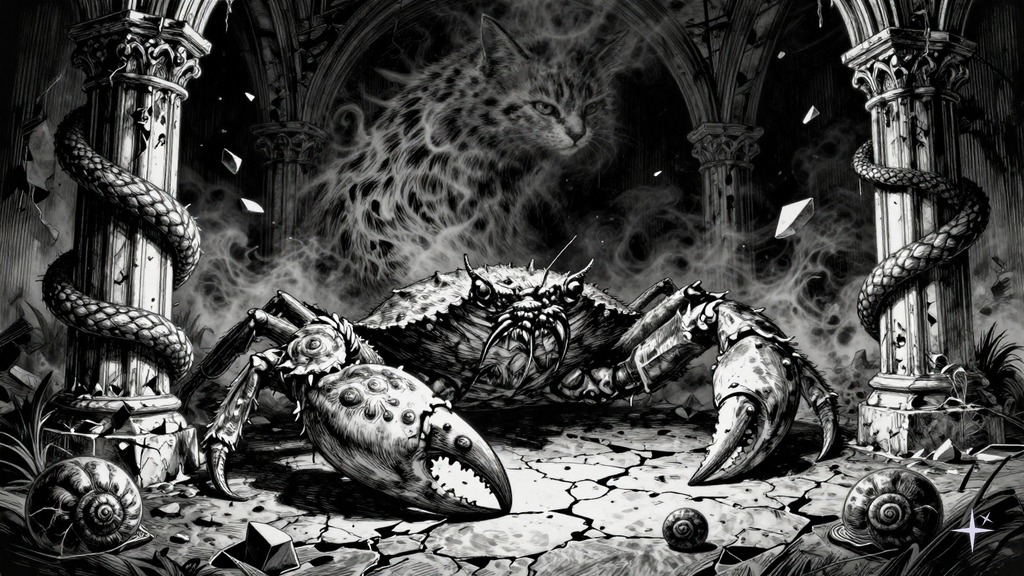
Good news if you landed here looking for the Bakemonogatari manga reading order — it’s wonderfully straightforward. No branching timelines, no spin-off volumes you need to slot in, no “watch this first” prerequisites. Just one complete series, start to finish.
Let’s break it all down.
Bakemonogatari Manga Reading Order — The Complete List
The Bakemonogatari manga is a single, linear series of 22 volumes. You read Volume 1, then Volume 2, then Volume 3… all the way through Volume 22. That’s it. That’s the reading order.
There are no side stories, companion volumes, or alternate editions that change the sequence. Every volume is numbered, and those numbers are your roadmap.
Here’s a breakdown of the story arcs and the volumes they span. An “arc” is just a self-contained storyline within the larger series — think of it like a chapter in a book, except each arc spans multiple volumes and focuses on a different character. The manga covers six arcs in total:
| Story Arc | Approximate Volumes |
|---|---|
| Hitagi Crab (Start here) | Vol. 1–3 |
| Mayoi Snail | Vol. 3–6 |
| Suruga Monkey | Vol. 6–9 |
| Nadeko Snake | Vol. 10–13 |
| Kizumonogatari | Mid-series |
| Tsubasa Cat (Final arc) | Through Vol. 22 |
Arcs overlap at transition volumes — a single volume may contain the tail end of one arc and the beginning of the next. Five of these arcs adapt the original Bakemonogatari novel. The sixth — Kizumonogatari — is unique to this manga adaptation: Oh!Great received permission from NISIOISIN to weave in material from the Kizumonogatari novel, a prequel story about how Araragi first encountered vampires. It sits between the Nadeko Snake and Tsubasa Cat arcs, giving readers backstory that the original Bakemonogatari novel only hinted at.
The series is complete — all 22 volumes have been published in English by Vertical Comics. You won’t hit a cliffhanger waiting for a volume that hasn’t been translated yet. The whole story is available right now.
The manga was written by NISIOISIN and illustrated by Oh!Great. It was originally serialized in Japan — meaning it was published chapter by chapter in a magazine over time, then collected into bound volumes — in Kodansha’s Weekly Shōnen Magazine beginning in March 2018. The serialization concluded in March 2023, with collected volumes published from June 2018 (Volume 1) through May 2023 (Volume 22).
What the Manga Covers — Story Arcs in Order
The Bakemonogatari manga follows Koyomi Araragi, a high school student who becomes entangled with people afflicted by supernatural apparitions — strange, often terrifying beings tied to emotional wounds and psychological trauma. Each story arc centers on a different character and the curse or haunting that grips them.
The arcs unfold in this order:
Hitagi Crab
The opening arc introduces Hitagi Senjougahara, a classmate who Araragi discovers is nearly weightless — her weight was stolen by a crab-like apparition. This arc sets the tone for everything that follows: the supernatural is real, it’s personal, and it feeds on human vulnerability. Araragi’s involvement with the enigmatic Meme Oshino begins here, establishing the mentor figure who helps broker deals with apparitions.
Mayoi Snail
Araragi encounters Mayoi Hachikuji, a young girl perpetually lost on the streets. The “snail” apparition keeps her wandering, unable to reach her destination. This arc weaves in themes of grief and family fracture underneath its supernatural mystery. Oh!Great’s art turns the mundane act of being lost into something unsettling and visually disorienting.
Suruga Monkey
Suruga Kanbaru, an athletic underclassman, is bound to a monkey’s paw — a wish-granting apparition that exacts a horrifying cost for every wish. The concept comes from a classic horror story: you get what you ask for, but the price is always worse than you imagined. This is where the manga’s body horror elements start escalating. “Body horror” means horror that centers on disturbing transformations or damage to the human body — and the monkey’s paw manifests physically on Kanbaru in ways that Oh!Great renders with detailed, visceral artwork that makes this adaptation stand apart from the anime. The arc deals with obsession, jealousy, and the danger of getting exactly what you wished for.
Nadeko Snake
Nadeko Sengoku is afflicted by a snake curse — an apparition that physically constricts and marks her body. The imagery here is deeply uncomfortable by design, blending supernatural menace with themes of victimhood and the weight of grudges. The manga leans into the visual horror of the curse more heavily than other adaptations of this story.
Tsubasa Cat
The final arc of the Bakemonogatari story focuses on Tsubasa Hanekawa, Araragi’s classmate, and the cat apparition that takes hold of her during periods of extreme stress. This is the longest and most emotionally complex arc, tying together threads from all previous stories. Hanekawa’s struggle with repressed emotions and the “perfect student” facade she maintains gives this arc a psychological weight that hits hard. The cat apparition’s manifestation — and what it does to Hanekawa — is some of Oh!Great’s most striking visual work in the series.
A Note on Oh!Great’s Art
One thing that makes this manga adaptation genuinely special is the artwork. Oh!Great doesn’t just illustrate the novel the manga is based on — he reinterprets it. Scenes that were conveyed through witty dialogue and internal monologue in the original novel become sprawling, surreal visual sequences in the manga. Action scenes are expanded dramatically. Horror imagery is amplified. The supernatural apparitions, which the anime often depicted through abstract visual metaphors, become tangible and physically nightmarish on the page.
If you’ve seen the anime and think you know what Bakemonogatari looks like — the manga will surprise you. The atmosphere is darker, the body horror is more pronounced, and the art has a raw energy that makes quiet conversations feel charged with tension. It’s the same story told through a completely different visual language.
Do You Need to Read or Watch Anything First?
No. The Bakemonogatari manga works perfectly as your very first encounter with this series.
This is a question that comes up constantly, and it makes sense. Bakemonogatari is one entry in a much larger franchise called “Monogatari” — a sprawling collection of stories all set in the same world, written by NISIOISIN. There’s a well-known anime adaptation, there’s NISIOISIN’s extensive series of light novels (short Japanese novels, usually around 200–300 pages, that blend text with occasional illustrations), and there are various sequel seasons and spin-offs with names that all blur together. It can feel like you need a flowchart just to figure out where to begin.
The manga cuts through all of that. It primarily adapts the first novel — Bakemonogatari — across its 22 volumes, while also incorporating a Kizumonogatari prequel arc. It introduces the characters, the world, and the supernatural rules clearly. You don’t need context from the anime. You don’t need to have read any novels. Volume 1 gives you everything you need to follow the story.
How It Compares to the Anime
The Bakemonogatari manga and the anime adaptation share the same original novel as their starting point, but they feel like different works. The anime is known for its rapid-fire dialogue, abstract visual direction, and distinctive stylistic choices — unusual camera angles, on-screen text flashing between scenes, and a generally experimental visual approach.
The manga, by contrast, puts Oh!Great’s detailed and intense artwork front and center. Action and horror sequences that the anime depicted through quick cuts and symbolic imagery get fully rendered on the page — expanded, slowed down, and made visceral. Conversations still drive the plot, but the manga gives them a physical weight and atmosphere that’s distinct from the anime’s more cerebral approach.
If you loved the anime, the manga offers a genuinely fresh take on a story you already know. If you’ve never watched the anime, the manga stands on its own without any gaps.
What Comes After?
The Bakemonogatari manga primarily adapts the first novel in NISIOISIN’s long-running Monogatari series, though it also incorporates a Kizumonogatari arc — a prequel story about how Araragi first encountered vampires. If you finish all 22 volumes and want more, the story continues in the light novels. The full Kizumonogatari novel goes deeper than the arc presented in the manga, and the series continues with Nisemonogatari (which introduces new characters and apparitions) and extends through many more entries beyond that.
No separate manga series exist for the other Monogatari novels, so the light novels (also available in English) are the path forward if you want to continue the story. The Bakemonogatari manga is a complete and satisfying reading experience on its own, but it’s just the opening chapter of a much larger world.
Where to Buy the Bakemonogatari Manga in English
All 22 volumes are published in English by Vertical Comics and are available through major retailers in both physical and digital formats. Since the series is complete, you can buy and read the entire thing at your own pace without waiting for future releases.
The volumes are standard manga-sized paperbacks. There’s no collected edition that bundles multiple volumes into a single book, and no box set that packages the whole series together — you’re buying individual volumes.
Getting Started
If you want to test the waters before committing to all 22 volumes, just grab Volume 1. The first volume sets up the Hitagi Crab arc and gives you a clear sense of Oh!Great’s art style and NISIOISIN’s storytelling approach. You’ll know pretty quickly whether this series is for you.
For readers who are already sold and want to work through the full series, buying a few volumes at a time is a solid approach. The arcs flow naturally into each other, so there’s no awkward stopping point — but having the next volume ready when you hit a cliffhanger is a nice feeling.
Volume 22 is the final volume, wrapping up the Tsubasa Cat arc and bringing the Bakemonogatari story to its conclusion. It’s a satisfying ending point for the manga, even though NISIOISIN’s broader Monogatari story continues in the novels.
BAKEMONOGATARI (manga)
FAQ
Is the Bakemonogatari manga finished?
Yes. The series is complete at 22 volumes in both the original Japanese edition and the English translation. The Japanese serialization began in March 2018, with collected volumes published through May 2023, and all volumes are available in English from Vertical Comics. No more volumes are coming — the story is fully told.
How is the manga different from the anime?
Same original novel, very different experience. The anime is known for its dialogue-heavy, visually abstract style. The manga, illustrated by Oh!Great, takes a dramatically different approach — the art is detailed, dynamic, and leans heavily into body horror and surreal supernatural imagery. Scenes that were brief or symbolic in the anime are expanded into full visual sequences in the manga. If the anime felt cerebral and stylish, the manga feels visceral and intense.
Do I need to read the light novels first?
No. Light novels are short Japanese novels that mix text with occasional illustrations — and while the Bakemonogatari manga is based on one, you don’t need to have read it. The manga adapts the first Bakemonogatari novel completely. It introduces all the characters and story elements you need. The light novels are great if you want to continue the story after finishing the manga, but they’re not a prerequisite.
Why is Bakemonogatari considered dark or horror?
The series revolves around supernatural apparitions — entities that latch onto people experiencing emotional distress. These apparitions manifest in ways that range from eerie to deeply disturbing: a crab that steals someone’s physical weight, a monkey’s paw that deforms its host’s body, a snake that constricts and scars its victim. Oh!Great’s art amplifies the horror aspects significantly compared to other adaptations of the same story. Body horror, psychological torment, and surreal nightmare imagery are woven throughout the manga’s 22 volumes. It’s not a slasher or pure gore manga, but the darkness is persistent and central to the story rather than incidental.
What order do I read the volumes in?
Volume 1 through Volume 22, in numbered order. There are no branching paths, no prequels to slot in, and no reading-order debates. Just follow the numbers.