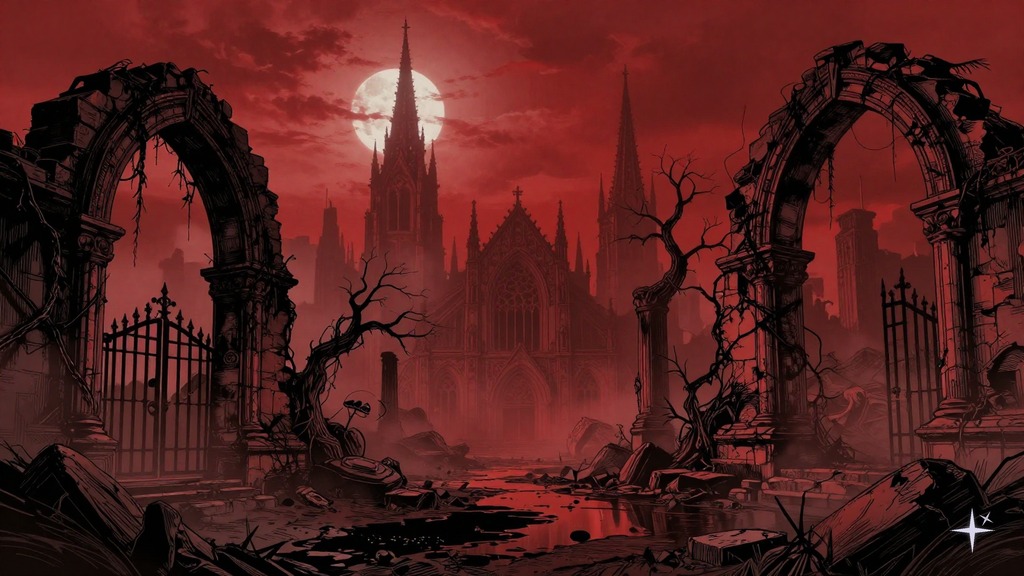
Is Seraph of the End manga finished? As of this writing, the manga is still ongoing. The series — also known as Owari no Seraph — has not concluded its serialization. It continues to publish new chapters, and the story is building toward its endgame but has not reached a final chapter yet. If you’re wondering whether it’s safe to start, there are already 34 collected volumes available in English, so there’s a substantial amount of story to read right now even though the series hasn’t wrapped up.
Whether you watched the anime and want to know how the full story plays out, or you keep seeing this series recommended and wonder if you’ll get stuck waiting on a cliffhanger — here’s everything you need to know.
Is the Seraph of the End Manga Finished? Current Serialization Status
Seraph of the End has been serialized in Jump SQ (Jump Square), a monthly manga magazine published by Shueisha — one of the largest manga publishers in Japan. Because it publishes monthly rather than weekly, the gaps between chapters and collected volumes can feel long, which is part of why readers keep asking whether the series has wrapped up.
The manga is ongoing. It has not ended. New chapters are still being released in Jump SQ, and the story has not reached its conclusion. The English-language edition, published by Viz Media, has released 34 volumes so far, with the Japanese edition ahead of that count.
What’s the series about? Seraph of the End is set in a post-apocalyptic world where a mysterious virus has wiped out most of humanity, and vampires have risen to enslave the survivors. The story follows Yuichiro Hyakuya, a teenager who escapes a vampire city and joins the Japanese Imperial Demon Army to fight back. It’s dark, violent, and heavy on supernatural lore — blending military action with biblical and demonic mythology in a way that gives the series a distinctive identity. The term “shonen” gets used a lot with this series — that’s a label for manga aimed primarily at teenage boys, though plenty of readers outside that demographic enjoy it too.
The tone is bleak from the very first chapter. Children are kept as livestock for vampires. Yuichiro watches people he loves die. And the deeper the story goes, the more it reveals about conspiracies on both the human and vampire sides that make the conflict far more complicated than a simple revenge quest.
If you’re checking whether it’s safe to start reading: the manga is still ongoing, but with 34 English volumes already available, there’s plenty of story to dig into. The series has been building toward its conclusion, so readers starting now won’t be jumping into a story that’s barely begun.
How the Story Develops Beyond the Early Chapters (Spoiler-Free)
Without spoiling anything specific, here’s what to know about how the story evolves as it progresses.
The early story arcs — self-contained segments within the larger series — focus heavily on Yuichiro’s personal vendetta against vampires, especially Ferid Bathory and the vampire nobles who terrorized his childhood. But the story expands rapidly. The human military organization Yuichiro joins turns out to have its own dark secrets, and the “Seraph of the End” experiments referenced in the title become central to the plot.
The scope keeps growing. What begins as a revenge story becomes something much larger, involving ancient beings, the nature of the world’s apocalypse, and the true relationship between humans, vampires, and demons. Major characters on both sides of the conflict get fleshed out. Yuichiro’s childhood friend Mikaela Hyakuya has a particularly compelling storyline — his painful transformation and the choices forced on him add enormous emotional weight to the series. The bond between Yuichiro and Mikaela is the emotional backbone of the entire story, and the writing knows it.
The central mysteries of the series — what caused the apocalypse, what the Seraph experiments really are, and what powerful figures like Guren Ichinose have been hiding — build toward resolution in the later volumes. The story mixes intense action with genuine tragedy, and the darker tone established early on remains consistent as the stakes escalate.
One thing to know going in: the pacing in the middle stretch of the manga drew mixed reactions from readers. Monthly serialization meant that some plot threads took a very long time to develop, and a few story segments felt stretched. The payoff in the later volumes helps, but it’s worth setting expectations if you’re binge-reading — the story rewards patience.
Does the Anime Cover the Full Manga?
Short answer: no, not even close.
The Seraph of the End anime covered only a fraction of the manga’s total story. The anime aired across two broadcast blocks of 12 episodes each (sometimes referred to as two seasons, 24 episodes total), adapting material from the earlier volumes of the manga. After that, no additional anime seasons have been produced as of this writing.
What does that mean for the story? The anime ends well before the manga’s major revelations and most important story developments. Many of the series’ key twists — including deeper details about the Seraph experiments, expanded backstory for several major characters, and the escalation of the human-vampire war — are manga-only content. If you’ve only seen the anime, you’ve experienced the setup but missed most of the payoff.
There’s a significant amount of manga material beyond where the anime stopped. Readers who pick up from where the anime left off will find that the story shifts in tone and complexity, with the stakes escalating considerably.
Will the anime continue? There hasn’t been a confirmed announcement for a new season as of this writing. The anime has a dedicated fanbase that has been vocal about wanting more, but the gap since the original broadcast has been long. It’s possible that a continuation could be announced — manga series do get new anime adaptations years after the original — but nothing is confirmed.
The recommendation here is straightforward: if you want the complete Seraph of the End experience, the manga is the way to get it. The anime is a solid introduction to the world and characters, but it covers only the opening act of a much longer story.
If you watched the anime and want to continue in the manga, you’ll want to start around a volume or two before where the anime ended rather than jumping straight to the next chapter the anime didn’t cover. The anime made some minor changes and compressed certain details, and re-reading that overlap will help you catch things the show trimmed. Looking up a chapter-to-episode guide online can help pinpoint exactly where to pick up.
Where to Read or Buy Seraph of the End
The English edition of Seraph of the End is published by Viz Media under the full title Seraph of the End: Vampire Reign. (The “Vampire Reign” subtitle is added for the English market — you may see the series listed under either name.) Viz has been releasing the series in standard single-volume format, where each volume collects several serialized chapters into one book. The volumes are widely available both physically and digitally.
Physical Volumes
You can find physical copies of Seraph of the End at major book retailers and online stores. Volume 1 has been in print for years and remains easy to find, so getting started shouldn’t be a problem. Earlier volumes in the series have had consistent availability.
For readers who want to catch up to the latest release, Vol. 34 is the most recent English-language volume at the time of writing. Picking it up is a good way to stay current with the series as it continues.
Seraph of the End, Vol. 34
Digital Reading
Viz Media offers digital versions of Seraph of the End volumes through their own platform and through major digital manga storefronts. Digital is a good option if you want to start reading immediately or if shelf space is a concern — and with a series that has 34 volumes and counting, shelf space is a real consideration.
Some chapters may also be available through Viz’s Shonen Jump digital service — a subscription platform that gives access to a large catalog of manga to read online. Availability of back catalog chapters can vary, so check the Viz website for the most up-to-date access options.
A Note on Reading the Full Series
Because Seraph of the End has 34 volumes so far, the investment to read the complete series from the beginning is significant. If you’re testing the waters, grabbing the first two or three volumes will give you a clear sense of whether the story and art style click for you. The series establishes its tone quickly — if the first volume’s blend of post-apocalyptic bleakness and supernatural action appeals to you, it only intensifies from there.
Avoid unofficial fan-translation sites. Fan translations of Seraph of the End vary wildly in quality, and mistranslated plot details in a series this lore-heavy can genuinely affect your understanding of the story. The official Viz translation is strong and consistent — stick with it.
Frequently Asked Questions
How many volumes does Seraph of the End have?
The English edition from Viz Media has reached Vol. 34, which is the most recent volume at the time of writing. The Japanese edition is further ahead. Because the series is still ongoing, the volume count will continue to grow — check the latest release listings if you’re reading this after 2026.
Who wrote and illustrated Seraph of the End?
Seraph of the End was written by Takaya Kagami with art by Yamato Yamamoto. Kagami handles the story and scripting while Yamamoto illustrates — a collaboration that has remained consistent throughout the series’ run. Kagami is also known for writing light novels in the same franchise. Light novels are a Japanese prose format — shorter than a standard novel, often with illustrations — and the Seraph of the End: Guren Ichinose prequel light novels expand the backstory of one of the manga’s most important characters.
Is there a Seraph of the End spinoff or sequel?
The franchise extends beyond the main manga. The Guren Ichinose: Catastrophe at Sixteen light novel series serves as a prequel — a story set before the events of the main manga. There are additional light novel side stories as well. Whether a direct sequel manga exists or has been announced should be confirmed against the latest news, but the franchise has enough supplementary material to keep fans occupied beyond the main series.
Will the Seraph of the End anime continue?
As of this writing, there’s no confirmed announcement for a new anime season. The original anime covered only a portion of the manga, leaving substantial material unadapted. Fan demand for a continuation has been consistent, but nothing official has been announced. The manga remains the only way to experience the full story.
Is Seraph of the End good for horror manga fans?
It’s more dark fantasy and action than pure horror, but it has strong horror elements — especially in its early chapters depicting the vampire-controlled underground city and the experiments conducted on children. The series deals with disturbing physical transformations, supernatural corruption, and a generally bleak worldview that will appeal to readers who enjoy darker manga. If you’re coming from a series like Attack on Titan and want something with a similar apocalyptic atmosphere and moral complexity, Seraph of the End fits that niche well.
What age rating is Seraph of the End?
Viz Media rates the series for older teens. It contains significant violence, including scenes of characters being killed or injured in intense ways, as well as dark themes involving the exploitation of children. It’s not as extreme as some manga aimed at adult audiences (labeled “seinen” in the Japanese market, as opposed to the teen-targeted “shonen” category), but it’s definitely not appropriate for younger readers. The content is comparable to other darker action titles in the same age bracket.