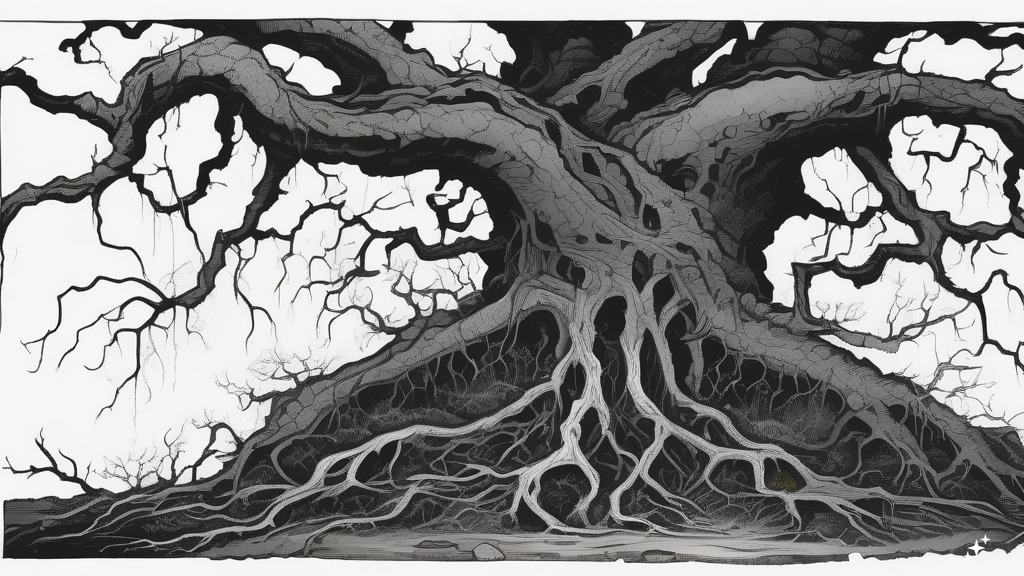
All 13 Stories in Junji Ito’s Smashed — Complete Story List
Here’s the full table for quick reference. If you just want the list, this is it — every story in reading order with its horror type and whether it’s been adapted into anime.
| # | Story Title | Horror Type | Anime Adaptation? |
|---|---|---|---|
| 1 | Bloodsucking Darkness | Body horror, vampirism/addiction | No anime adaptation |
| 2 | Ghosts of Prime Time | Psychological horror | No confirmed adaptation |
| 3 | Roar | Environmental horror | No confirmed adaptation |
| 4 | Earthbound | Cosmic/existential horror | No confirmed adaptation |
| 5 | Death Row Doorbell | Domestic dread, ghost horror | No confirmed adaptation |
| 6 | The Mystery of the Haunted House | Supernatural horror | No confirmed adaptation |
| 7 | The Mystery of the Haunted House: Soichi’s Version | Comedy-horror (Soichi) | No confirmed adaptation |
| 8 | Soichi’s Beloved Pet | Comedy-horror (Soichi) | Yes — Junji Ito Maniac (2023) |
| 9 | In Mirror Valley | Psychological, doppelganger horror | No confirmed adaptation |
| 10 | I Don’t Want to Be a Ghost | Dark comedy horror | No confirmed adaptation |
| 11 | Library Vision | Atmospheric/psychological horror | Yes — Junji Ito Maniac (2023) |
| 12 | Splendid Shadow Song | Surreal horror | No confirmed adaptation |
| 13 | Smashed | Creature horror, body horror | Yes — Junji Ito Collection (2018) Ep. 12 |
The title story “Smashed” was adapted in Episode 12 of the Junji Ito Collection anime (2018, available on Crunchyroll).
Every Story Explained (Spoiler-Free)
13. Smashed
A group of people discover fruit growing on a tree in an abandoned property. They eat it. It’s delicious. And then something comes for them — a creature that “smashes” anyone who has eaten the fruit.
Horror type: Creature horror, body horror (horror focused on graphic physical transformation and violation of the body)
This is the story that opens the collection and sets the tone for everything that follows. It’s visceral, it’s creative, and Ito’s artwork does some genuinely stomach-turning things here. The premise sounds almost absurdly simple — don’t eat mystery fruit — but the execution (pun fully intended) is where Ito shines. The creature design alone makes this one memorable.
If you read one story from this collection, a lot of people would tell you to read this one.
1. Bloodsucking Darkness
A woman develops an uncontrollable urge to bite people. At the same time, giant bats begin appearing in the area. The two things are connected, and the connection is deeply unsettling.
Horror type: Body horror, vampirism as addiction metaphor
This story works on two levels. On the surface, it’s a vampire story with Ito’s signature grotesque imagery. But underneath, it reads as a metaphor for addiction — the compulsion, the shame, the inability to stop even when you know the harm you’re causing. It’s one of the more emotionally layered stories in the collection.
Anime adaptation: Junji Ito Collection (2018), Episode 5
3. Ghost Mansion of Korori (Soichi’s Beloved Pet)
Soichi is a recurring character across several of Ito’s works — a bratty, scheming kid who chews on iron nails like candy and fancies himself a master of dark magic. He’s not a one-off; he shows up in multiple Ito collections, always causing supernatural trouble and always overestimating his own power. In this story, Soichi discovers a cat in an abandoned mansion. Things go sideways in the way they always do when he’s involved.
Horror type: Mild — comedy-horror. Stories featuring Soichi lean more toward dark humor than genuine scares. Think of them as the lighter, funnier entries in a collection — a break in mood between heavier stories.
If this is your first encounter with Soichi, don’t worry — these stories work perfectly fine on their own without needing to read his other appearances.
Anime adaptation: Junji Ito Maniac: Japanese Tales of the Macabre (2023), Episode 7
4. Death Row Doorbell
A woman living alone begins receiving visits from an escaped death row inmate who has developed a fixation on her. The dread builds slowly and methodically.
Horror type: Slow-burn domestic dread, home invasion
This is one of the most grounded stories in the collection. There are no monsters, no supernatural forces — just the terrifying reality of being targeted by someone dangerous while you’re alone in your home. Ito proves here that he doesn’t need the grotesque to get under your skin. The pacing is excellent, and the sense of vulnerability is almost unbearable.
A lot of readers name this as one of the scariest stories in the book precisely because it feels like it could actually happen.
Anime adaptation: Junji Ito Maniac: Japanese Tales of the Macabre (2023), Episode 5 (adapted under the title “Intruders”)
5. Roar
A couple moves into a new apartment. Almost immediately, they’re plagued by a bone-rattling roar that seems to come from everywhere and nowhere. As they investigate, the mystery only deepens.
Horror type: Domestic horror, escalating mystery
This one plays on the anxiety of moving somewhere new and realizing something is deeply wrong with your living space — but you can’t quite figure out what. The “roar” is a brilliantly simple concept that Ito escalates in unexpected ways. It’s unsettling in a way that sticks with you, especially if you’ve ever lived in an apartment with weird noises you couldn’t explain.
6. Blackholes (Earthbound)
Human-shaped holes appear in the ground. People are drawn to them — pulled in, unable to resist. The victims become “earthbound,” slowly sinking into the earth.
Horror type: Cosmic horror — a subgenre built on the idea that the universe is vast, indifferent, and filled with forces humans can’t understand or control. The terror comes not from a villain or monster, but from the realization that reality operates on rules that have nothing to do with us.
If you’ve read Ito’s famous short story The Enigma of Amigara Fault (included in the Gyo collection — a separate Ito book), this story will feel thematically similar. Both share that same nightmarish logic: holes that are shaped for specific people, an inexplicable compulsion to enter them, and the horrifying question of what happens after. But even if you haven’t read that story, “Blackholes” stands completely on its own. The existential dread — the terror of being drawn toward something you can’t understand or resist — needs no prior reading to hit hard.
This is one of the standout stories in the collection for fans of Ito’s cosmic horror side.
7. The Mystery of the Haunted House — Soichi’s Version
Soichi decides to build a haunted house attraction. Because he’s Soichi, he expects it to be the scariest thing anyone has ever seen. Because this is a Junji Ito story, actual supernatural forces show up and have other plans.
Horror type: Mild — comedy-horror (Soichi story)
The second Soichi story in the collection, and it follows the same formula: Soichi overestimates his own abilities, meddles with things he shouldn’t, and chaos ensues. It’s played more for dark humor than genuine scares, and it works well as a breather in the middle of the collection.
8. The Stinking Earth (Earth Stench)
A terrible smell begins rising from the ground. When people investigate the source, they discover something horrific buried beneath the surface.
Horror type: Environmental horror, body horror
Ito has a talent for taking a mundane sensory experience — in this case, a bad smell — and following it to its most nightmarish possible conclusion. The body horror imagery in this one is particularly strong. It’s one of those stories where you can almost smell the pages, and you really wish you couldn’t.
9. Library Vision
A librarian begins seeing disturbing visions within the pages of books — visions that seem to predict terrible events.
Horror type: Atmospheric/psychological horror
This is one of the quieter stories in the collection, but it’s deeply atmospheric. The horror is more suggestive than graphic, building a sense of creeping unease rather than going for shock. If you enjoy horror that makes you feel unsettled without necessarily showing you something grotesque, this one delivers.
10. Burnt Offerings (Phantom Funeral)
A man finds himself compulsively attending the funerals of strangers. But something is wrong at every one of them — the ceremonies don’t make sense, and the dead don’t seem to be fully dead.
Horror type: Surreal, dreamlike horror
This story has a feverish, dreamlike quality that sets it apart from the more straightforward horror entries. The logic of the world bends in ways that feel wrong, and Ito leans into that disorientation. It’s the kind of story that’s hard to describe but easy to feel unsettled by.
11. Dem (Data)
A programmer creates an AI simulation of a woman. The simulation becomes increasingly demanding, possessive, and real.
Horror type: Technological horror, psychological
Written before the current AI conversation dominated every headline, this story feels ahead of its time. The horror here is psychological — the blurring line between what’s real and what’s simulated, and the question of what happens when something you created stops being under your control.
12. Falling (Death Specter)
Across an entire city, people are suddenly seized by the compulsion to throw themselves from tall buildings. No one knows why. No one can stop it.
Horror type: Mass compulsion, psychological horror
This is one of the most disturbing stories in the collection. The premise is handled with the kind of unflinching directness that makes Ito’s work so effective. There’s no monster to fight, no curse to break — just a wave of inexplicable compulsion spreading through a population. It’s terrifying because of how helpless everyone is.
Content note: This story deals with suicide and self-harm themes. If that’s something you’re sensitive to, be aware going in.
13. The Unknown (Unseen World)
A man begins perceiving a hidden world that exists alongside our own. Creatures and entities move through this unseen layer of reality — and they become aware that he can see them.
Horror type: Cosmic dread
The collection closer, and it ends things on a note of pure cosmic dread. The horror here isn’t violence or body horror — it’s the realization that reality is not what you thought, and the things hiding in plain sight don’t appreciate being noticed. It’s a perfect final note for a collection that spans so many different types of horror.
Which Stories Have Anime Adaptations?
Out of 13 stories, only 3 have been adapted into anime (animated TV series based on manga source material). Here’s the breakdown:
| Story | Anime Series | Episode |
|---|---|---|
| Death Row Doorbell | Junji Ito Maniac: Japanese Tales of the Macabre (2023) | Episode 5 (as “Intruders”) |
| Ghost Mansion of Korori | Junji Ito Maniac: Japanese Tales of the Macabre (2023) | Episode 7 |
That means 10 stories — including the title story “Smashed,” the cosmic horror of “Blackholes” and “The Unknown,” and the deeply unsettling “Falling” — are only available in manga form.
If you’ve watched the anime adaptations and want to know what you’re missing: quite a lot. The unadapted stories include some of the collection’s strongest entries.
About the Smashed Collection
Here are the key details:
- Author: Junji Ito
- Translator: Jocelyne Allen (manga is originally written in Japanese, so every English edition is a translation)
- Publisher: VIZ Media, under their VIZ Signature line (VIZ Media is the largest English-language manga publisher; VIZ Signature is their label for more mature or literary titles)
- English edition: 416 pages, released April 16, 2019
- Mass market paperback: A smaller, more affordable edition released August 2024 (same content as the 2019 edition, just in a smaller trim size at a lower price)
- Total stories: 13
- Rating on Goodreads (a popular book review site): 3.90 average from 24,000+ ratings
The Japanese Publication History
The English edition of Smashed actually combines two separate Japanese volumes:
- Ma no Danpen (roughly “Fragments of Evil”) — 5 stories, published April 2014
- Smashed — 8 stories, published February 2018
VIZ Media combined both into a single English-language volume, which is why you get 13 stories in one book.
A Common Point of Confusion
Ma no Danpen (“Fragments of Evil” — the first Japanese volume collected in this English edition) is NOT the same thing as Fragments of Horror (which is Ma no Kakera, roughly “Fragments of the Supernatural,” in Japanese). These are two entirely different books with different stories. The similar-sounding Japanese titles trip people up, but they have zero overlap in content.
If you own Fragments of Horror in English, you do not own any of the stories in Smashed, and vice versa.
How Smashed Compares to Other Junji Ito Collections
If you’re trying to decide which Junji Ito collection to pick up, here’s how the three main short story collections — all separate books by the same author, each containing different stories — compare:
| Smashed | Shiver | Fragments of Horror | |
|---|---|---|---|
| Stories | 13 | 10 | 8 |
| English release | 2019 | 2017 | 2015 |
| Horror range | Broadest — creature, cosmic, comedy, psychological, domestic | Curated by Ito himself — includes some of his most well-known short works | More experimental and artistic |
| Soichi stories? | Yes (2) | Yes | No |
| Tone | Varied — swings from grotesque to funny to existential | Consistently strong — readers frequently cite it as having the highest individual peaks | Darker, more atmospheric, less traditional |
| Story overlap | None | None | None |
All three collections are completely self-contained with no overlapping stories between them. You can read them in any order — none requires knowledge of the others.
So Which One First?
Smashed is often recommended as a great starting point because of its variety. You get creature horror, cosmic dread, dark comedy, domestic terror, and psychological horror all in one volume. It gives you a broad sample of everything Ito does well.
Shiver is the one Ito himself curated, selecting stories he was personally proud of. If you want to see what the creator considers his own best short-form work, start there.
Fragments of Horror is more experimental. It’s fantastic, but it’s probably best appreciated after you’ve already read some of Ito’s more accessible work.
Honestly? You can’t go wrong with any of them. Grab whichever one is available and go from there — they’re all worth reading, and since there’s no overlap, you’ll never accidentally re-read a story.
Smashed: Junji Ito Story Collection
Statues: Junji Ito Story Collection
Frankenstein: Junji Ito Story Collection